
The Impact of AI on Healthcare: Revolutionizing Diagnosis and Treatment
The integration of artificial intelligence into healthcare represents one of the most promising developments in modern medicine. As healthcare systems worldwide face increasing pressures from aging populations, rising costs, and workforce shortages, AI offers transformative solutions that could improve outcomes, increase efficiency, and make quality care more accessible. From early disease detection to personalized treatment plans, AI is reshaping every aspect of the medical field.
Unlike previous technological advances in healthcare that primarily enhanced existing processes, AI introduces fundamentally new capabilities. Machine learning algorithms can analyze medical images with superhuman accuracy, natural language processing can extract insights from unstructured medical notes, and predictive analytics can forecast disease progression and treatment responses. These capabilities are not merely incremental improvements but represent a paradigm shift in how we approach healthcare delivery.
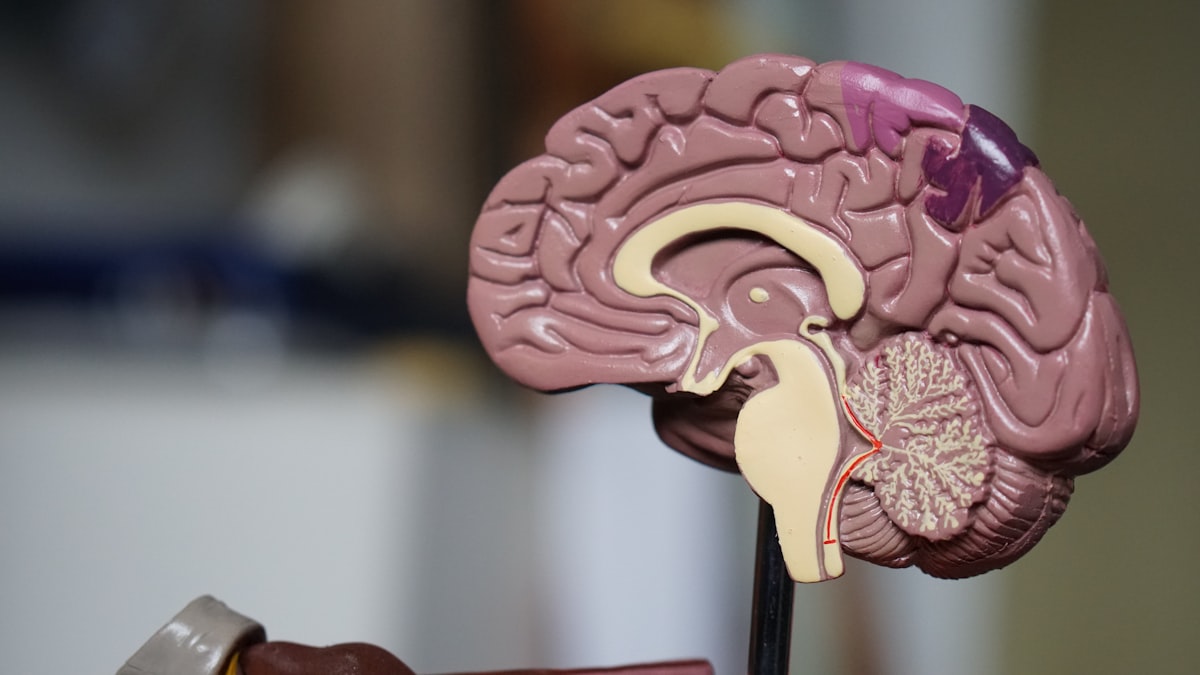
Figure 1: AI systems analyzing medical imaging for improved diagnostics
AI-Powered Diagnostics: Enhancing Accuracy and Speed
One of the most significant applications of AI in healthcare is in medical diagnostics. Traditional diagnostic methods, while effective, are often time-consuming and subject to human error. AI algorithms, particularly those based on deep learning, have demonstrated remarkable capabilities in analyzing medical images including X-rays, MRIs, CT scans, and pathology slides.
Studies have shown that AI systems can detect conditions such as breast cancer, lung nodules, diabetic retinopathy, and skin cancers with accuracy equal to or exceeding that of human experts. For example, Google's DeepMind has developed an AI system that can detect over 50 eye diseases from 3D retinal scans with 94% accuracy. What makes these systems particularly valuable is their consistency - unlike human doctors who may suffer from fatigue or distraction, AI maintains the same high level of performance 24/7.
Key Advantages of AI Diagnostics:
- Early Detection: AI can identify subtle patterns invisible to human eyes
- Reduced False Positives: Machine learning minimizes unnecessary follow-up tests
- Speed: Algorithms can analyze images in seconds rather than minutes or hours
- Scalability: Can serve underserved areas with limited specialist access
- Consistency: Eliminates variability in human interpretation
Advertisement Area - Google AdSense

Figure 2: Medical professionals collaborating with AI systems for patient care
Personalized Medicine: Tailoring Treatments to Individual Patients
Perhaps the most revolutionary application of AI in healthcare is in personalized medicine. Traditional medical approaches often employ a "one-size-fits-all" methodology, but AI enables truly personalized treatment plans based on a patient's unique genetic makeup, lifestyle, environmental factors, and medical history.
AI algorithms can analyze vast datasets including genomic information, electronic health records, wearable device data, and clinical trial results to predict how individual patients will respond to specific treatments. This approach is particularly valuable in oncology, where AI can help identify which cancer treatments will be most effective for specific tumor types and genetic profiles. Companies like Tempus and Foundation Medicine are already using AI to match cancer patients with targeted therapies based on their tumor's molecular characteristics.
Beyond oncology, AI-driven personalized medicine is transforming chronic disease management. For diabetes patients, AI algorithms can analyze continuous glucose monitor data, dietary information, exercise patterns, and insulin usage to provide personalized recommendations for maintaining optimal blood sugar levels. Similarly, for cardiovascular patients, AI can integrate data from various sources to create individualized risk profiles and prevention strategies.
Drug Discovery and Development: Accelerating Innovation
The traditional drug discovery process is notoriously slow and expensive, often taking 10-15 years and costing billions of dollars to bring a single drug to market. AI is dramatically accelerating this process by identifying promising drug candidates, predicting their effectiveness, and optimizing clinical trial design.
Machine learning algorithms can analyze biological data to identify disease targets, screen millions of potential compounds virtually, and predict which molecules are most likely to be effective and safe. For instance, in 2020, an AI system developed by researchers at MIT identified a new antibiotic compound that was effective against drug-resistant bacteria - a discovery that might have taken years using traditional methods.
AI is also revolutionizing clinical trials by identifying suitable participants more efficiently, predicting patient responses, and monitoring trial participants in real-time. This not only accelerates the development process but also makes trials more inclusive and representative of diverse populations.

Figure 3: AI systems analyzing molecular structures for pharmaceutical research
Advertisement Area - Google AdSense
Surgical Robotics and Assistance: Precision and Enhanced Capabilities
AI-powered surgical systems are enhancing precision, stability, and outcomes in the operating room. While robotic surgery systems like the da Vinci have been in use for years, the integration of AI takes these systems to a new level. AI algorithms can provide real-time guidance during surgery, highlight critical anatomical structures, and even predict potential complications.
Machine learning systems trained on thousands of surgical videos can recognize different surgical phases, identify instruments, and provide context-aware assistance to surgeons. Some systems can even perform certain automated tasks with supervision, reducing surgeon fatigue and increasing consistency. For complex procedures like neurosurgery or microsurgery, AI-enhanced robotic systems offer tremor filtration and motion scaling that enable superhuman precision.
Beyond the operating room, AI is improving surgical planning through virtual simulations. Surgeons can practice complex procedures on patient-specific 3D models created from medical scans, with AI providing feedback and predicting outcomes. This preoperative planning reduces operating time and improves surgical precision.
Administrative Efficiency and Resource Optimization
While clinical applications of AI often receive the most attention, administrative applications may have an equally significant impact on healthcare delivery. Healthcare administration is notoriously complex and resource-intensive, with hospitals spending approximately 25% of their budgets on administrative tasks.
AI is streamlining these processes through automated documentation, intelligent scheduling, predictive resource allocation, and optimized supply chain management. Natural language processing algorithms can transcribe doctor-patient conversations, extract relevant information, and automatically populate electronic health records, reducing documentation time by up to 50%. Predictive analytics can forecast patient admission rates, allowing hospitals to optimize staffing levels and bed allocation.

Figure 4: AI-powered healthcare management and data analytics systems
Ethical Considerations and Challenges
Despite its enormous potential, the integration of AI into healthcare raises important ethical and practical challenges. Data privacy and security are paramount concerns, as medical data is highly sensitive. Algorithmic bias represents another significant risk - if AI systems are trained on unrepresentative datasets, they may perform poorly for certain demographic groups, potentially exacerbating health disparities.
The doctor-patient relationship may also be affected by AI integration. While AI can enhance clinical decision-making, it must not undermine trust or replace the human connection that is fundamental to healing. Regulatory frameworks struggle to keep pace with AI innovation, creating uncertainty about approval processes and liability for AI-driven decisions.
Implementation challenges include integration with existing healthcare IT systems, training healthcare professionals to work effectively with AI tools, and ensuring equitable access to AI-enhanced care across different socioeconomic groups and geographic regions.
Conclusion: The Future of AI in Healthcare
The integration of artificial intelligence into healthcare represents a historic opportunity to improve patient outcomes, increase efficiency, and make quality care more accessible worldwide. While AI will not replace healthcare professionals, it will augment their capabilities, automate routine tasks, and provide insights that enhance clinical decision-making.
The most successful healthcare systems of the future will be those that effectively integrate human expertise with AI capabilities. This requires not only technological innovation but also thoughtful attention to ethical considerations, regulatory frameworks, and implementation strategies. As AI continues to evolve, its impact on healthcare will likely accelerate, offering new solutions to longstanding challenges and fundamentally transforming how we prevent, diagnose, and treat disease.
Ultimately, the goal of AI in healthcare should align with the fundamental goal of medicine itself: to relieve suffering, restore health, and improve quality of life. With careful development and implementation, AI has the potential to help us achieve these goals more effectively than ever before in human history.
About the Author: Dr. James Wilson is a practicing physician and healthcare technology researcher with over 20 years of experience in medical innovation. He serves as Director of Digital Health at Metropolitan Medical Center and is a member of the World Health Organization's Digital Health Advisory Group.


