
Everything You Need to Know About Virtual Reality (VR) Headsets
Everything You Need to Know About Virtual Reality (VR) Headsets in 2025
In recent years, Virtual Reality (VR) headsets have evolved from niche gaming accessories to transformative tools that are reshaping how we interact with digital content. By 2025, VR technology has reached unprecedented levels of immersion, accessibility, and practical application, moving beyond entertainment to revolutionize education, healthcare, enterprise training, and social interaction. This comprehensive guide explores everything you need to know about modern VR headsets—from their underlying technology to their diverse applications and future potential.
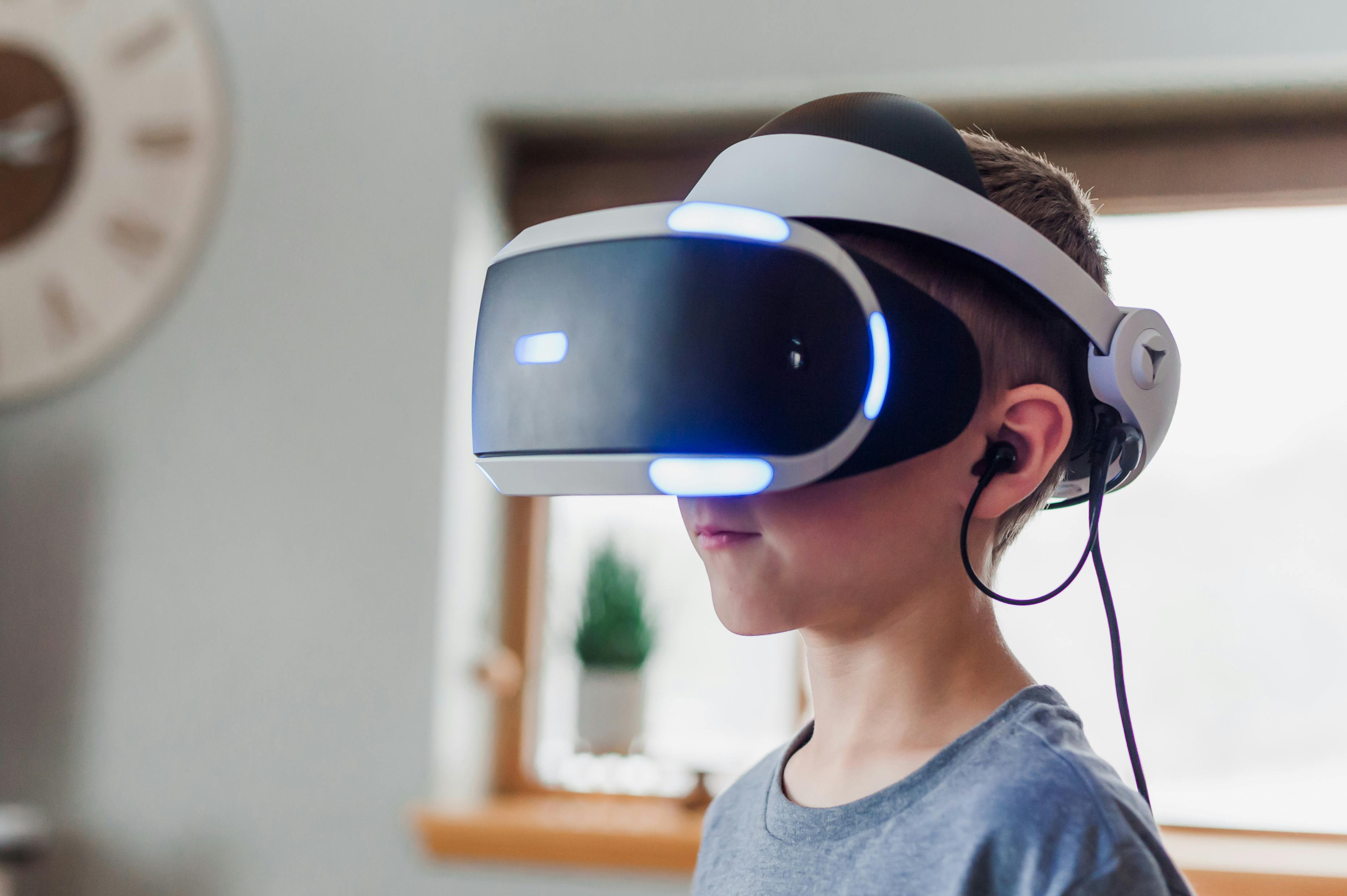
Understanding Virtual Reality Technology
Core Technologies Explained:
- Display Technology: Dual OLED or LCD panels (4K+ per eye), 90-120Hz refresh rates, low persistence to reduce motion blur
- Lens Systems: Fresnel, pancake, or aspheric lenses providing wide field of view (90-120°) with minimal distortion
- Tracking Systems: Inside-out (camera-based) vs. outside-in (base station) tracking with 6 degrees of freedom (6DoF)
- Input Methods: Hand tracking, haptic controllers with finger tracking, and gesture recognition
- Audio Solutions: Integrated spatial audio with head-related transfer function (HRTF) processing
- Comfort Features: Adjustable IPD (interpupillary distance), weight distribution, ventilation systems
- Connectivity: Wireless (Wi-Fi 6E/7), wired (DisplayPort/USB-C), or standalone operation
How VR Creates Immersion:
Modern VR headsets create convincing virtual environments through several synchronized technologies:
- Binocular Vision: Separate displays for each eye create stereoscopic 3D depth perception
- Head Tracking: Gyroscopes, accelerometers, and magnetometers track head movement with sub-millimeter precision
- Positional Tracking: Infrared sensors or cameras track physical movement within play areas
- Low Latency: Sub-20ms motion-to-photon latency prevents motion sickness and maintains presence
- Foveated Rendering: Eye-tracking prioritizes rendering quality where users are looking, improving performance
- Haptic Feedback: Controllers and accessories provide tactile sensations matching virtual interactions
Types of VR Headsets in 2025
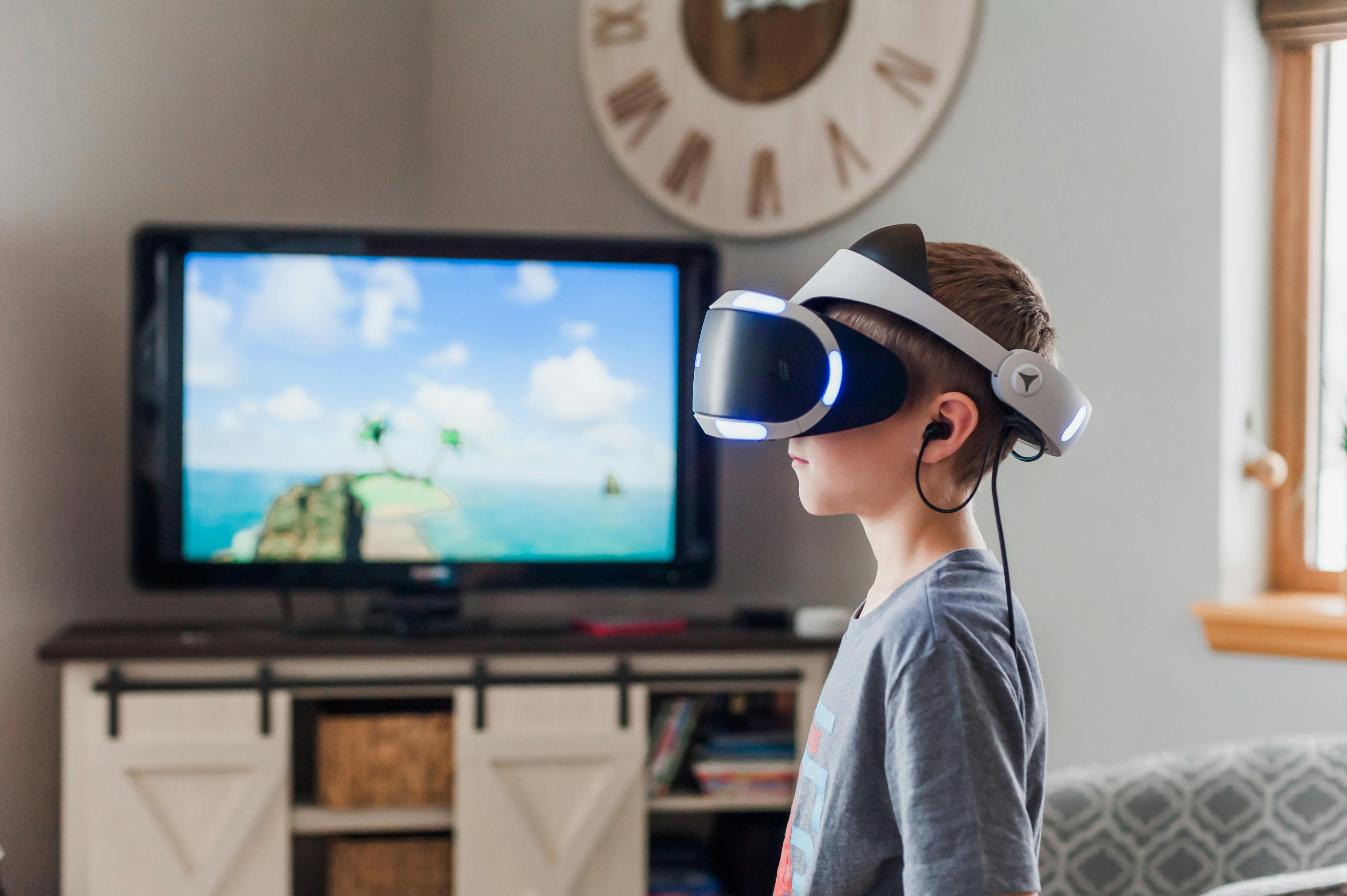
Applications Beyond Gaming
Professional and Educational Applications:
- Medical Education: Surgical simulations, anatomy exploration, patient interaction training
- Architecture & Real Estate: Virtual walkthroughs of unbuilt structures, interior design visualization
- Corporate Training: Safety procedures, equipment operation, soft skills development
- Therapy & Rehabilitation: Phobia treatment, PTSD therapy, physical rehabilitation exercises
- Remote Collaboration: Virtual meetings with spatial audio and avatar representation
- Cultural Preservation: Digital recreation of historical sites and artifacts
- Research & Development: Scientific visualization, data exploration, prototype testing

Advantages vs. Disadvantages
Advantages
- ✅ Unprecedented immersion and presence in virtual environments
- ✅ Revolutionary training and education applications
- ✅ Enhanced spatial understanding and visualization
- ✅ New forms of social interaction and collaboration
- ✅ Therapeutic applications for physical and mental health
- ✅ Reduced physical constraints for experiences
- ✅ Continuous hardware and software improvements
Disadvantages & Challenges
- ❌ High cost for premium systems and required hardware
- ❌ Motion sickness and discomfort for some users
- ❌ Physical space requirements for room-scale experiences
- ❌ Limited content in specialized application areas
- ❌ Social isolation concerns with extended use
- ❌ Technical complexity for setup and maintenance
- ❌ Privacy concerns with biometric data collection
Market Leaders & Top Models in 2025
2025 VR Headset Market:
| Model | Type | Resolution | Field of View | Key Features | Price |
|---|---|---|---|---|---|
| Meta Quest 3 Pro | Standalone | 4320x2160 (per eye) | 110° | Eye/face tracking, mixed reality | $999 |
| Apple Vision Pro 2 | Standalone/MR | 8K total | 120° | M3 chip, retina display, iOS integration | $3,499 |
| Valve Index 2 | PC-Tethered | 2880x1600 (per eye) | 130° | Finger tracking, 144Hz, SteamVR | $1,299 |
| PlayStation VR2 Pro | Console | 4000x2040 (per eye) | 110° | HDR, eye tracking, haptic feedback | $599 |
| Varjo XR-4 | Enterprise | 3840x1920 (per eye) | 115° | Photorealistic MR, lidar, 200Hz eye tracking | $6,990 |
The VR market has diversified significantly by 2025, with each manufacturer targeting specific user segments. Meta continues to dominate the consumer space, while Apple has carved out a premium segment with its Vision Pro series. Valve and HTC maintain leadership in high-fidelity PC VR, and Sony solidifies the console VR market.
Choosing the Right VR Headset
Buyer's Decision Matrix:
- Identify Primary Use Case: Gaming? Professional applications? Education? Entertainment?
- Assess Technical Requirements: PC specifications? Space availability? Budget constraints?
- Consider Comfort Factors: IPD range? Weight tolerance? Wear time expectations?
- Evaluate Ecosystem: Existing device compatibility? Content library? Software support?
- Test Before Purchasing: Demo units in stores? Friend's systems? Rental options?
- Future-Proof Considerations: Upgrade paths? Long-term support? Resale value?
Expert Recommendation: For first-time VR users in 2025, the Meta Quest 3 offers the best balance of accessibility, content library, and price. For professionals needing high fidelity, the Valve Index 2 remains the gold standard. Enterprise users should evaluate the Varjo XR-4 for specialized applications.
The Future of Virtual Reality (2025-2030)

Emerging Technologies & Trends:
- Photorealistic Graphics: Ray tracing, global illumination, and AI-generated environments
- Neural Interfaces: Brain-computer interfaces for thought-controlled interaction
- Holographic Displays: Light field displays eliminating the need for headsets
- Haptic Suits & Gloves: Full-body tactile feedback systems
- Mixed Reality Integration: Seamless blending of virtual and physical environments
- 5G/6G Connectivity: Cloud-based rendering and streaming reducing local hardware requirements
- Social VR Evolution: Persistent virtual worlds with millions of concurrent users
- Accessibility Advances: Adaptive interfaces for users with disabilities
- Sustainability Focus: Recyclable materials and energy-efficient designs
Health, Safety, and Ethical Considerations
Responsible VR Usage Guidelines:
- Eye Health: Regular breaks (20-20-20 rule), proper IPD adjustment, blue light filters
- Physical Safety: Clear play areas, boundary systems, supervision for children Motion Sickness Management: Gradual exposure, ginger supplements, proper ventilation
- Social Considerations: Balanced usage, real-world social maintenance, content moderation
- Data Privacy: Understanding biometric data collection, opt-out options, secure storage
- Content Moderation: Age-appropriate experiences, content warnings, reporting mechanisms
- Accessibility: Adaptive controllers, audio descriptions, customizable interfaces
Conclusion: The Transformative Potential of VR
Virtual Reality headsets in 2025 represent one of the most transformative technological developments of our time, offering capabilities that extend far beyond their gaming origins. As these devices continue to evolve, they promise to reshape how we learn, work, socialize, and experience the world around us. The convergence of improved hardware, expansive content libraries, and growing mainstream acceptance positions VR as a fundamental computing platform for the coming decade.
For consumers and professionals alike, understanding VR technology is no longer optional—it's essential for navigating the increasingly immersive digital landscape. Whether for entertainment, education, or enterprise applications, VR headsets offer unique value propositions that traditional interfaces cannot match. As we look toward 2030, the boundaries between physical and virtual realities will continue to blur, creating new opportunities and challenges that will redefine human-computer interaction.
The journey into virtual reality is just beginning, and the headsets of 2025 represent the most accessible and capable entry points yet. By approaching this technology with curiosity, critical thinking, and responsible usage, we can harness its potential to enhance our lives while navigating its challenges thoughtfully. The virtual frontier awaits, and it promises to be one of the most exciting technological adventures of our generation.


